
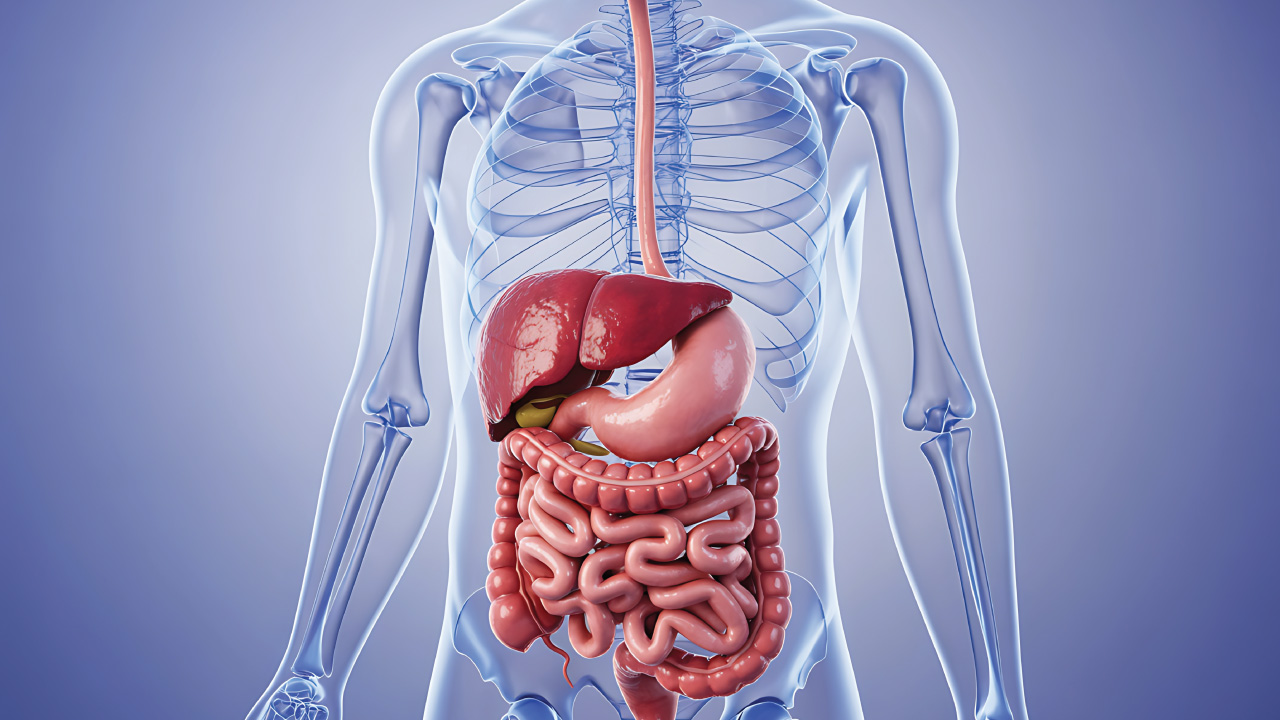
Introduction
Barrett’s Esophagus is a condition in which the normal lining of the esophagus is replaced by abnormal cells due to long-term acid reflux or gastroesophageal reflux disease (GERD). Although Barrett’s Esophagus itself is not cancer, it is a precancerous condition that can increase the risk of developing esophageal adenocarcinoma.
Early detection is crucial because esophageal cancer is more treatable when identified at an early stage. Surveillance endoscopy, performed by expert GI endoscopists like Dr. Subhraneelay Das, plays a pivotal role in monitoring these changes and preventing progression to cancer.
What Causes Barrett’s Esophagus?
Barrett’s Esophagus develops primarily due to chronic acid exposure from GERD. Other contributing factors include:
- Frequent heartburn or acid reflux
- Obesity, especially abdominal fat
- Smoking or tobacco use
- Family history of Barrett’s Esophagus or esophageal cancer
- Age over 50 and male gender (higher prevalence)
Not all patients with chronic GERD develop Barrett’s Esophagus, but those with long-standing reflux symptoms are at higher risk.
Symptoms of Barrett’s Esophagus
Barrett’s Esophagus often does not cause noticeable symptoms. When present, symptoms are usually related to GERD:
- Frequent heartburn
- Regurgitation of acid or food
- Difficulty swallowing
- Chest discomfort
Because symptoms can be mild or absent, screening high-risk individuals is essential for early detection.
Why Surveillance Endoscopy Is Important
Surveillance endoscopy involves periodic examination of the esophagus using a camera-equipped endoscope to detect precancerous or early cancerous changes.
Benefits include:
- Detecting dysplasia (abnormal cells) before cancer develops
- Allowing for minimally invasive treatments if early changes are found
- Reducing the risk of progression to esophageal adenocarcinoma
- Providing peace of mind through regular monitoring
Early intervention significantly improves outcomes compared to diagnosing esophageal cancer at an advanced stage.
How Surveillance Endoscopy Works
- Preparation: Patients may need to fast for several hours prior to the procedure.
- Endoscopy: A thin, flexible tube with a camera is passed through the mouth into the esophagus.
- Biopsy: Small tissue samples may be taken to check for dysplasia or early cancer.
- Frequency: Depending on biopsy results, endoscopy is recommended every 3–5 years for patients without dysplasia and more frequently for those with abnormal cells.
Surveillance schedules are individualized based on risk factors, age, and previous biopsy findings.
Treatment Options if Dysplasia Is Found
If precancerous changes or early cancer is detected, treatment options include:
- Endoscopic Mucosal Resection (EMR): Removing abnormal tissue during endoscopy
- Radiofrequency Ablation (RFA): Using heat to destroy abnormal cells
- Medication: Proton pump inhibitors to reduce acid reflux and prevent further damage
- Lifestyle Modifications: Weight management, dietary adjustments, and avoiding tobacco or alcohol
Early-stage interventions are usually minimally invasive and have high success rates.
Preventive Measures for Barrett’s Esophagus
- Manage GERD effectively with medications and lifestyle changes
- Maintain a healthy weight and avoid abdominal obesity
- Quit smoking and limit alcohol consumption
- Eat a balanced diet rich in fruits, vegetables, and fiber
- Schedule regular surveillance endoscopy if at high risk
FAQs About Barrett’s Esophagus
1. Can Barrett’s Esophagus be reversed?
While the abnormal lining may not completely revert to normal, early detection and treatment can prevent progression to cancer.
2. How often should endoscopy be done?
Patients without dysplasia are usually monitored every 3–5 years. Those with low-grade or high-grade dysplasia may need endoscopy every 6–12 months.
3. Is Barrett’s Esophagus painful?
The condition itself usually does not cause pain. Symptoms are typically related to acid reflux.
4. Can lifestyle changes reduce cancer risk?
Yes. Managing GERD, maintaining a healthy weight, and avoiding tobacco or alcohol can significantly reduce risk.
5. Is esophageal cancer inevitable with Barrett’s Esophagus?
No. Regular surveillance and early treatment of abnormal cells greatly reduce the risk of cancer.
Conclusion
Barrett’s Esophagus is a precancerous condition that requires careful monitoring through surveillance endoscopy. Regular check-ups, early detection of dysplasia, and lifestyle modifications are key to preventing esophageal cancer. With the guidance of specialists like Dr. Subhraneelay Das, patients can manage Barrett’s Esophagus effectively and maintain a healthy esophagus.
If You Have Chronic Acid Reflux or Are at Risk for Barrett’s Esophagus, Schedule a Consultation With Dr. Subhraneelay Das. Early Surveillance Endoscopy Can Detect Abnormal Cells Before They Progress to Cancer, Ensuring Better Outcomes and Peace of Mind.
Our Locations
Visit Us!
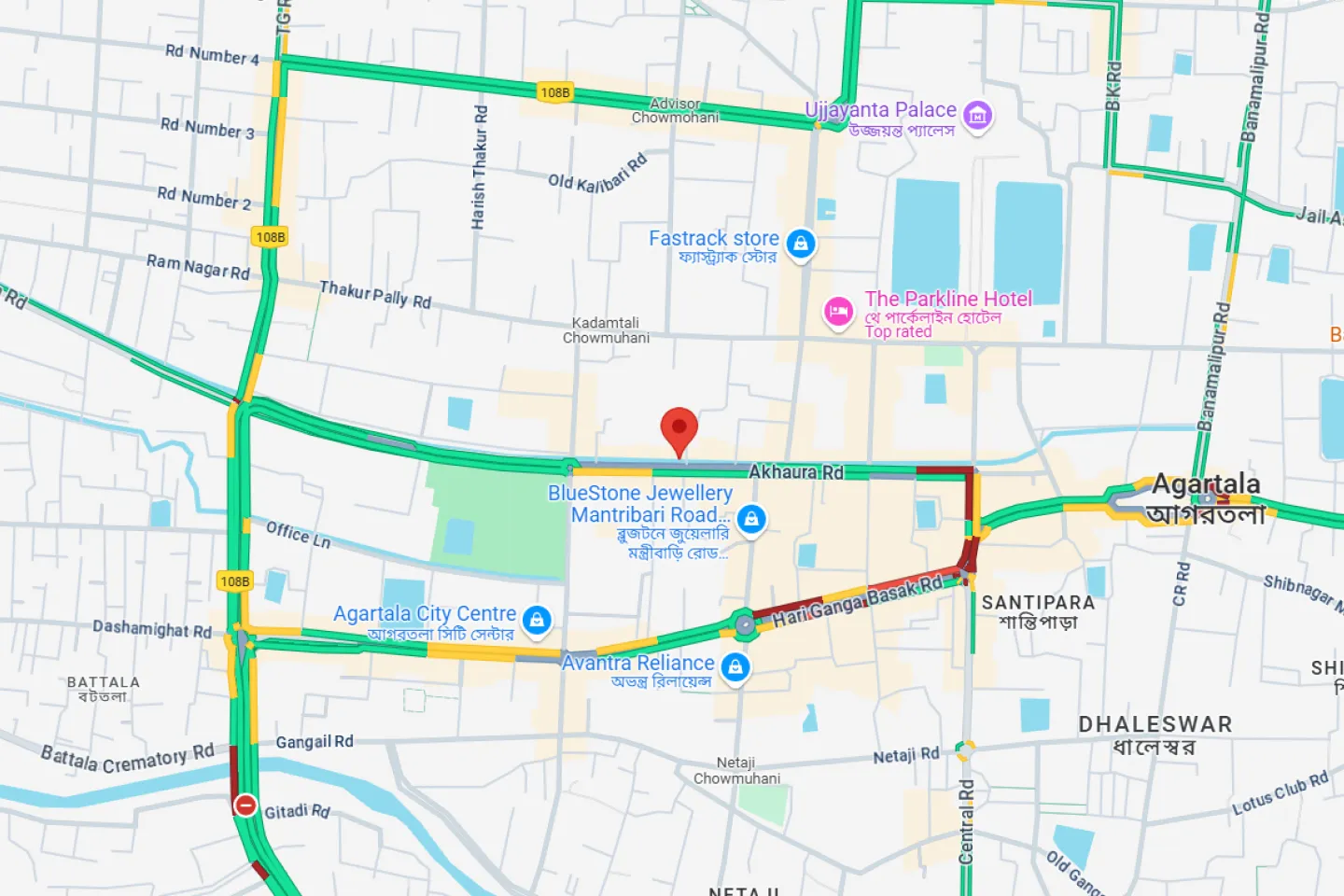
Address: Walk-In Care, Akhaura Road, Agartala, Tripura, 799001
Timing: Monday to Friday, 6:00 PM to 7:00 PM
Call Us: +91-6033519363
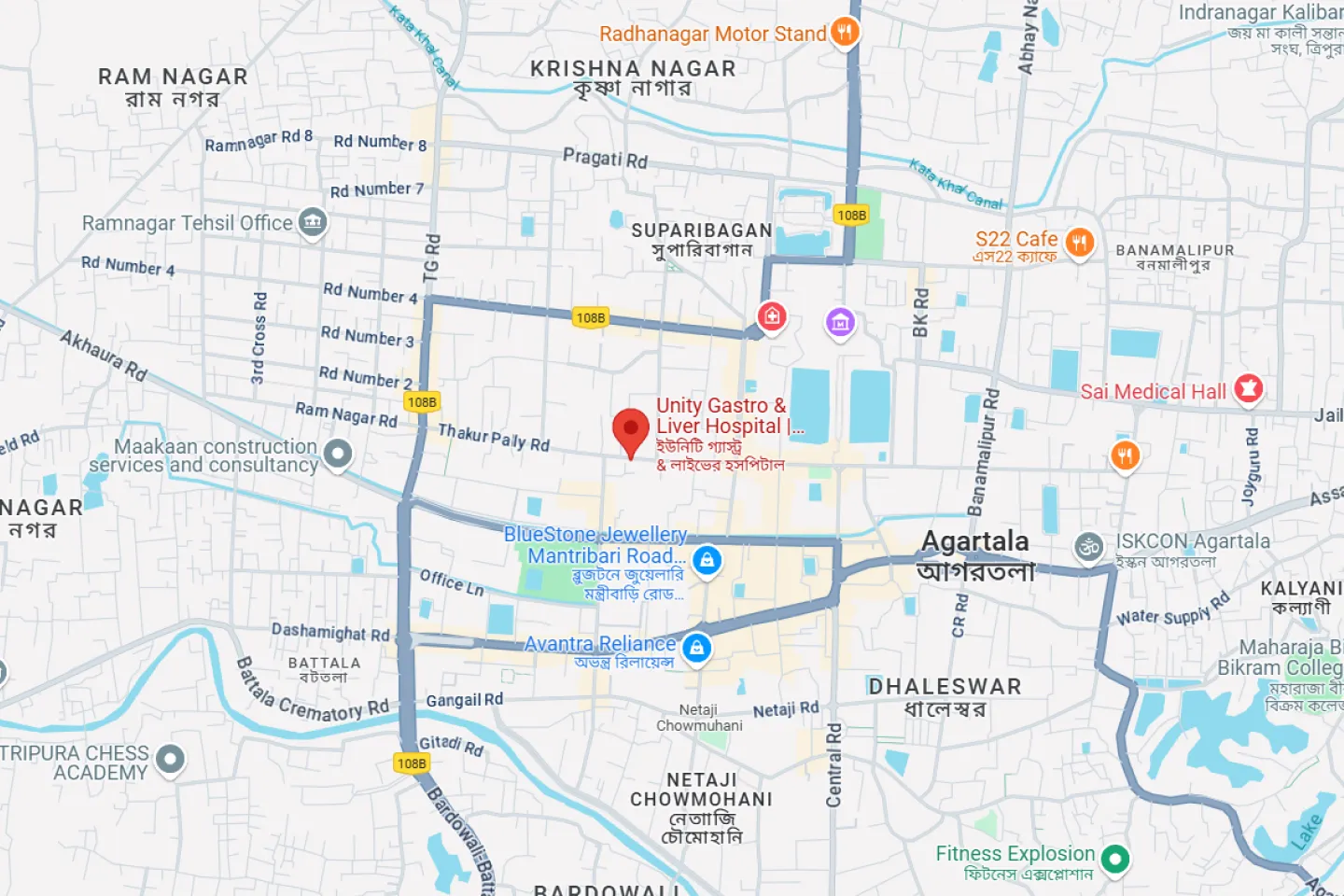
Address: Unity Gastro & Liver Hospital, Agartala, Tripura, 799001
Timing: Monday to Friday, 7:00 PM to 8:30 PM


