

Diabetes is a chronic condition that affects the body’s ability to regulate blood sugar. One of the most overlooked complications of diabetes is foot problems, often referred to as diabetic foot. This term encompasses a variety of foot issues caused by nerve damage, poor blood circulation, and infections, which can lead to serious complications if left untreated.
Dr. Subraneelay Das, Diabetologist and Foot Care Specialist, emphasizes that early awareness, regular monitoring, and proper care can prevent most diabetic foot problems and reduce the risk of severe outcomes like ulcers or amputation.
Understanding Diabetic Foot
A diabetic foot is any foot complication that arises due to diabetes-related changes in nerves, blood vessels, or skin. These changes increase susceptibility to injuries, infections, and ulcers. The condition usually develops gradually and may go unnoticed until significant damage occurs.
Key contributing factors include:
- Neuropathy (nerve damage): High blood sugar can damage nerves in the feet, leading to loss of sensation. Patients may not feel cuts, blisters, or injuries.
- Peripheral vascular disease: Diabetes can reduce blood flow to the feet, slowing healing and increasing infection risk.
- Foot deformities: Poorly managed diabetes may cause structural changes like bunions, claw toes, or Charcot foot, which increase pressure points and risk of ulcers.
- Infections: Minor injuries can progress to severe infections due to impaired immunity and slow healing.
Why Foot Problems Are Common in Diabetes
Foot problems are more common in diabetes due to a combination of factors:
- Reduced Sensation: Nerve damage prevents patients from noticing injuries or blisters.
- Poor Circulation: Decreased blood flow slows healing and increases infection risk.
- High Blood Sugar Levels: Elevated glucose levels make the skin more prone to infections.
- Delayed Healing: Diabetes interferes with cell repair, making minor wounds more serious.
- Neglect or Improper Foot Care: Lack of regular inspection or poor hygiene increases vulnerability.
Because of these factors, a small cut or blister can escalate into a serious ulcer or infection, which is why proactive care is critical.
Common Signs of a Diabetic Foot
It’s important to recognize early warning signs of diabetic foot problems:
- Persistent sores or ulcers that don’t heal
- Redness, swelling, or warmth around the foot or toes
- Tingling, burning, or loss of sensation
- Thickened, brittle, or discolored toenails
- Changes in foot shape or appearance
- Unexplained pain or cramping in the feet or legs
Prompt attention to these signs can prevent progression to severe complications.
Prevention and Care of Diabetic Foot
Dr. Subraneelay Das recommends the following preventive measures for people with diabetes:
- Daily Foot Inspection: Check for cuts, blisters, redness, swelling, or fungal infections.
- Proper Foot Hygiene: Wash feet daily with mild soap and water, dry thoroughly, especially between toes.
- Moisturize Carefully: Apply lotion to prevent dry, cracked skin, avoiding areas between the toes.
- Proper Footwear: Wear well-fitted shoes to prevent pressure points, blisters, and injuries.
- Avoid Walking Barefoot: This prevents injuries and infections.
- Regular Podiatry Checkups: Professional care can catch early problems before they worsen.
- Control Blood Sugar: Maintain target blood glucose levels to reduce the risk of neuropathy and circulation issues.
FAQs On Diabetic Foot
Q1: Can a diabetic foot ulcer heal on its own?
A: Minor injuries may heal if blood sugar is well-controlled, but most ulcers require professional care to prevent infection.
Q2: Why do diabetic foot problems often go unnoticed?
A: Neuropathy reduces sensation, so patients may not feel pain from cuts or blisters.
Q3: How often should a person with diabetes check their feet?
A: Daily self-inspection is recommended, along with professional foot exams at least once a year.
Q4: Are special shoes necessary for diabetes?
A: Properly fitted shoes reduce pressure points and prevent ulcers. In some cases, orthopedic or custom shoes are recommended.
Q5: Can controlling blood sugar prevent diabetic foot problems?
A: Yes. Maintaining blood sugar within the target range reduces nerve damage and circulation problems, lowering risk of complications.
Q6: When should I see a doctor for a diabetic foot?
A: Seek medical attention immediately for non-healing sores, infection, severe pain, or unusual swelling. Early intervention prevents serious complications.
Expert Guidance From Dr. Subraneelay Das
Diabetic foot problems are preventable and manageable with the right knowledge and care. Dr. Subraneelay Das, GI ENDOSCOPIST & CONSULTANT GENERAL & LAPAROSCOPIC SURGEON, provides expert evaluation, personalized care plans, and treatment strategies to protect your feet from complications.
Book a Consultation With Dr. Subraneelay Das Today
Early detection and proactive care can prevent ulcers, infections, and long-term complications. Protect your mobility and independence by giving your feet the attention they deserve.
Our Locations
Visit Us!
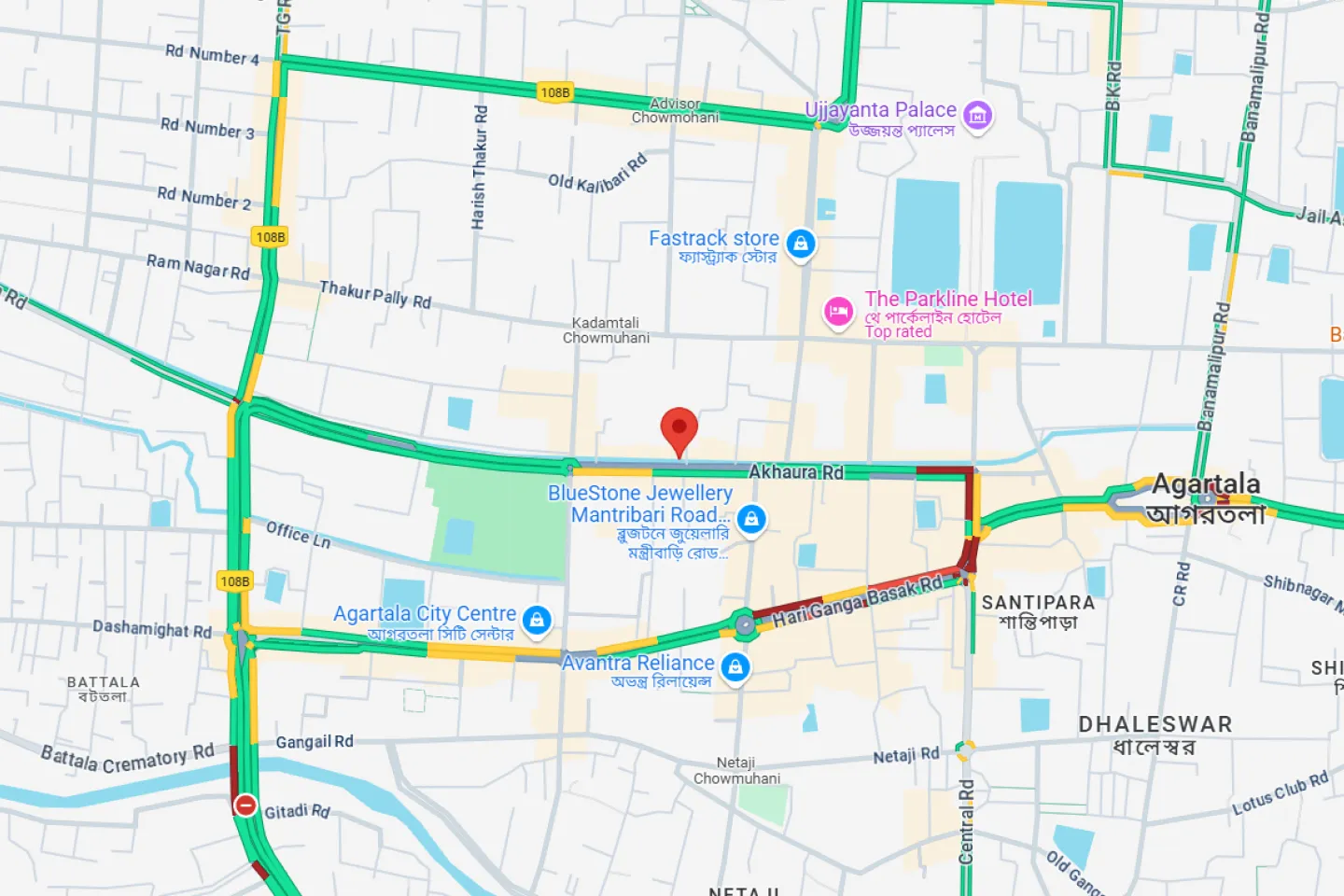
Address: Walk-In Care, Akhaura Road, Agartala, Tripura, 799001
Timing: Monday to Friday, 6:00 PM to 7:00 PM
Call Us: +91-6033519363

Address: Unity Gastro & Liver Hospital, Agartala, Tripura, 799001
Timing: Monday to Friday, 7:00 PM to 8:30 PM


