
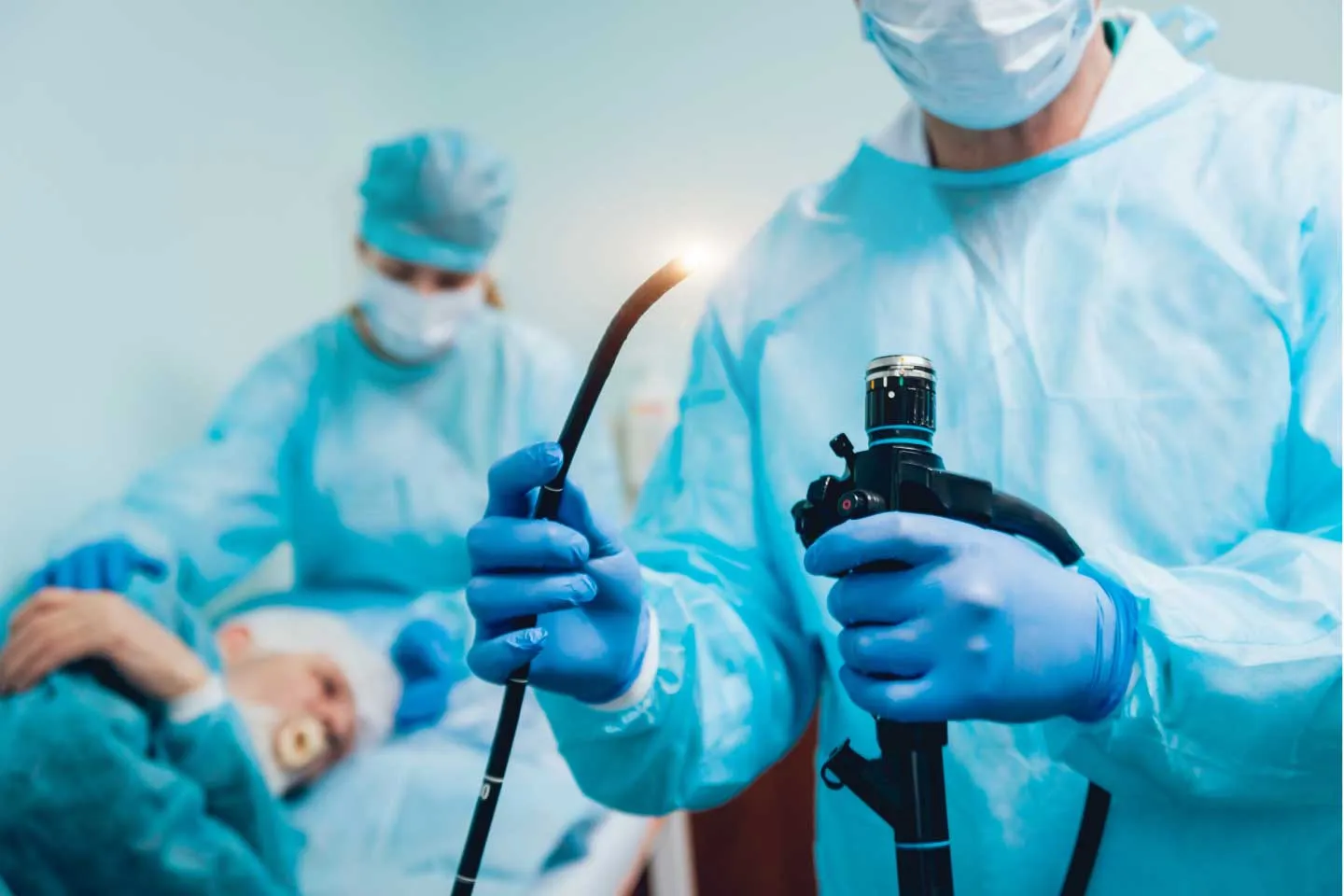
Digestive system disorders affecting the bile ducts, pancreas, and gallbladder often require specialized diagnostic and therapeutic procedures. One such advanced technique is ERCP (Endoscopic Retrograde Cholangiopancreatography). It combines endoscopy and imaging technology to diagnose and treat conditions involving the bile ducts, pancreas, and gallbladder.
According to Dr Subhraneelay Das, ERCP plays a crucial role in managing several gastrointestinal conditions, especially when non-invasive tests are insufficient. Understanding the procedure helps patients approach treatment with confidence and clarity.
What Is ERCP?
ERCP is a minimally invasive endoscopic procedure used to examine and treat problems in the:
- Bile ducts
- Pancreatic ducts
- Gallbladder drainage system
During the procedure, a flexible endoscope is passed through the mouth into the stomach and small intestine. A contrast dye is injected into the ducts, and X-ray imaging helps visualize blockages, stones, narrowing, or other abnormalities.
Unlike many diagnostic tests, ERCP can both identify problems and treat them during the same procedure.
Why Is ERCP Done?
ERCP is usually recommended when symptoms or imaging studies suggest problems in the biliary or pancreatic ducts.
Common Reasons Include
Bile Duct Stones
Gallstones may sometimes move into the bile ducts, causing pain, jaundice, or infection. ERCP can remove these stones.
Obstructive Jaundice
Blockages in bile flow due to stones, tumors, or strictures can lead to jaundice. ERCP helps identify and relieve the obstruction.
Pancreatic Disorders
Conditions such as chronic pancreatitis, duct narrowing, or pancreatic cysts may require ERCP evaluation.
Bile Duct Strictures
Narrowing of bile ducts may occur due to inflammation, surgery, or tumors. ERCP allows dilation or stent placement.
Post-Surgical Complications
Leakage or obstruction after gallbladder or liver surgery can be diagnosed and treated using ERCP.
How The Procedure Is Performed
ERCP (Endoscopic Retrograde Cholangiopancreatography) is done in a hospital or specialized endoscopy unit to check and treat the bile and pancreatic ducts.
Steps:
- Sedation: Mild sedation or anesthesia for comfort.
- Endoscope Insertion: A thin, flexible tube is passed through the mouth into the small intestine.
- Duct Access: A catheter reaches the bile or pancreatic ducts.
- Contrast Dye & X-ray: Dye highlights ducts to detect blockages or stones.
- Treatment if Needed: Stones removed, stents placed, or biopsies taken.
- Duration: Usually 30–60 minutes, with recovery monitored until sedation wears off.
Treatment Options During ERCP May Include
- Removal of bile duct stones
- Placement of stents to relieve obstruction
- Dilatation of narrowed ducts
- Drainage of infected bile
- Biopsy of suspicious lesions
This reduces the need for more invasive surgical procedures in many cases.
Preparation Before ERCP
Proper preparation ensures safety and accurate results.
Common Preparation Steps:
- Fasting for several hours before the procedure
- Reviewing medications with your doctor
- Informing about allergies or medical conditions
- Arranging post-procedure assistance due to sedation
- Following instructions carefully helps minimize risks.
Possible Risks And Complications
ERCP is generally safe when performed by experienced specialists, but like any procedure, it carries some risks.
Potential Complications Include:
- Pancreatitis (most common but usually manageable)
- Infection
- Bleeding
- Perforation (rare)
- Sedation-related reactions
Close monitoring before and after the procedure reduces complications.
Recovery After ERCP
Most patients recover quickly after ERCP.
What To Expect:
- Short observation period post-procedure
- Temporary throat discomfort
- Mild bloating or fatigue
- Gradual return to normal diet as advised
Your doctor will provide specific post-procedure instructions.
When To Consult A Specialist
Symptoms suggesting biliary or pancreatic issues include:
- Persistent abdominal pain
- Yellowing of skin or eyes (jaundice)
- Unexplained weight loss
- Recurrent pancreatitis
- Fever with abdominal discomfort
Early evaluation helps prevent complications.
Frequently Asked Questions
Q1. Is ERCP A Surgery?
No. It is an endoscopic minimally invasive procedure, not open surgery.
Q2. Is ERCP Painful?
Patients are sedated, so discomfort is usually minimal.
Q3. How Long Does Recovery Take?
Most patients resume normal activities within a day or two unless complications occur.
Q4. Can ERCP Cure Bile Duct Stones?
Yes, in many cases stones can be removed during the procedure itself.
Q5. Are There Alternatives To ERCP?
Imaging tests like MRCP may diagnose conditions, but ERCP allows treatment simultaneously.
Conclusion
ERCP is an advanced and highly valuable procedure for diagnosing and treating bile duct and pancreatic disorders. Its minimally invasive nature, combined with therapeutic capability, makes it an essential tool in modern gastrointestinal care. Early diagnosis and expert management can significantly improve outcomes and reduce complications.
Understanding when ERCP is needed and how it works helps patients approach treatment with confidence and awareness.
Consult Dr Subhraneelay Das
If you are experiencing symptoms related to bile duct or pancreatic disorders, consult Dr Subhraneelay Das for expert evaluation, advanced endoscopic care, and personalized treatment guidance. Early diagnosis and specialized management ensure better digestive health outcomes.
Our Locations
Visit Us!
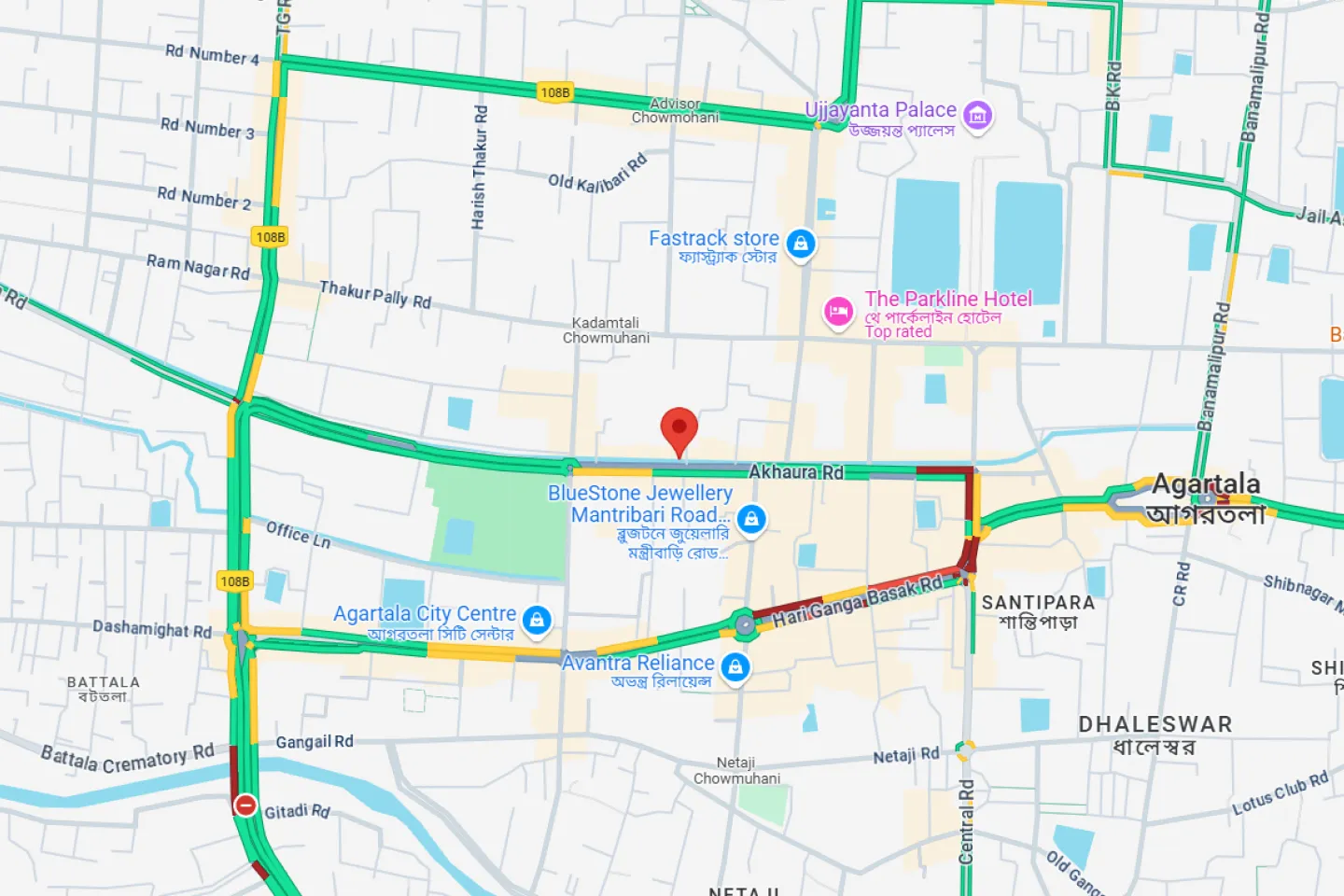
Address: Walk-In Care, Akhaura Road, Agartala, Tripura, 799001
Timing: Monday to Friday, 6:00 PM to 7:00 PM
Call Us: +91-6033519363
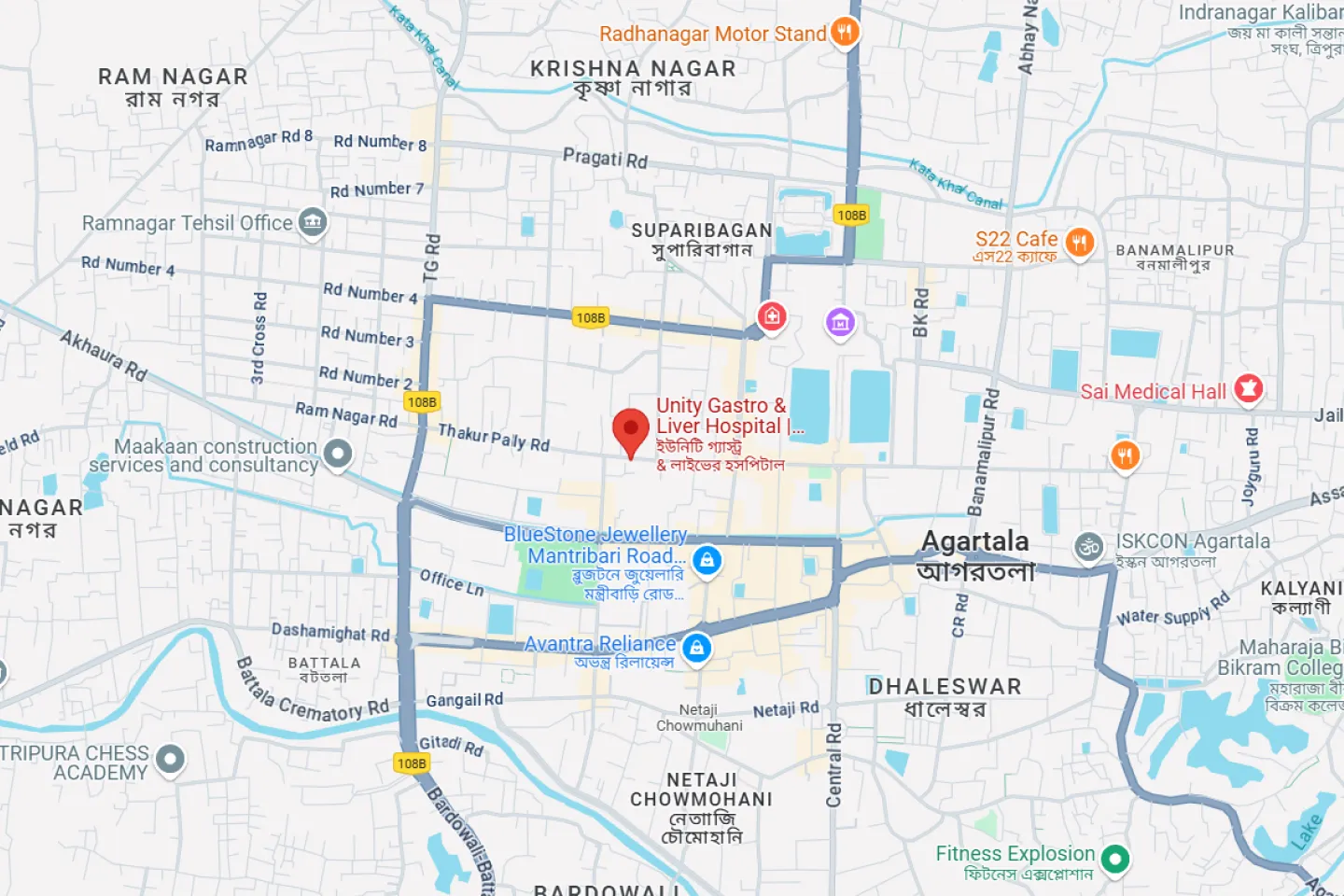
Address: Unity Gastro & Liver Hospital, Agartala, Tripura, 799001
Timing: Monday to Friday, 7:00 PM to 8:30 PM


