
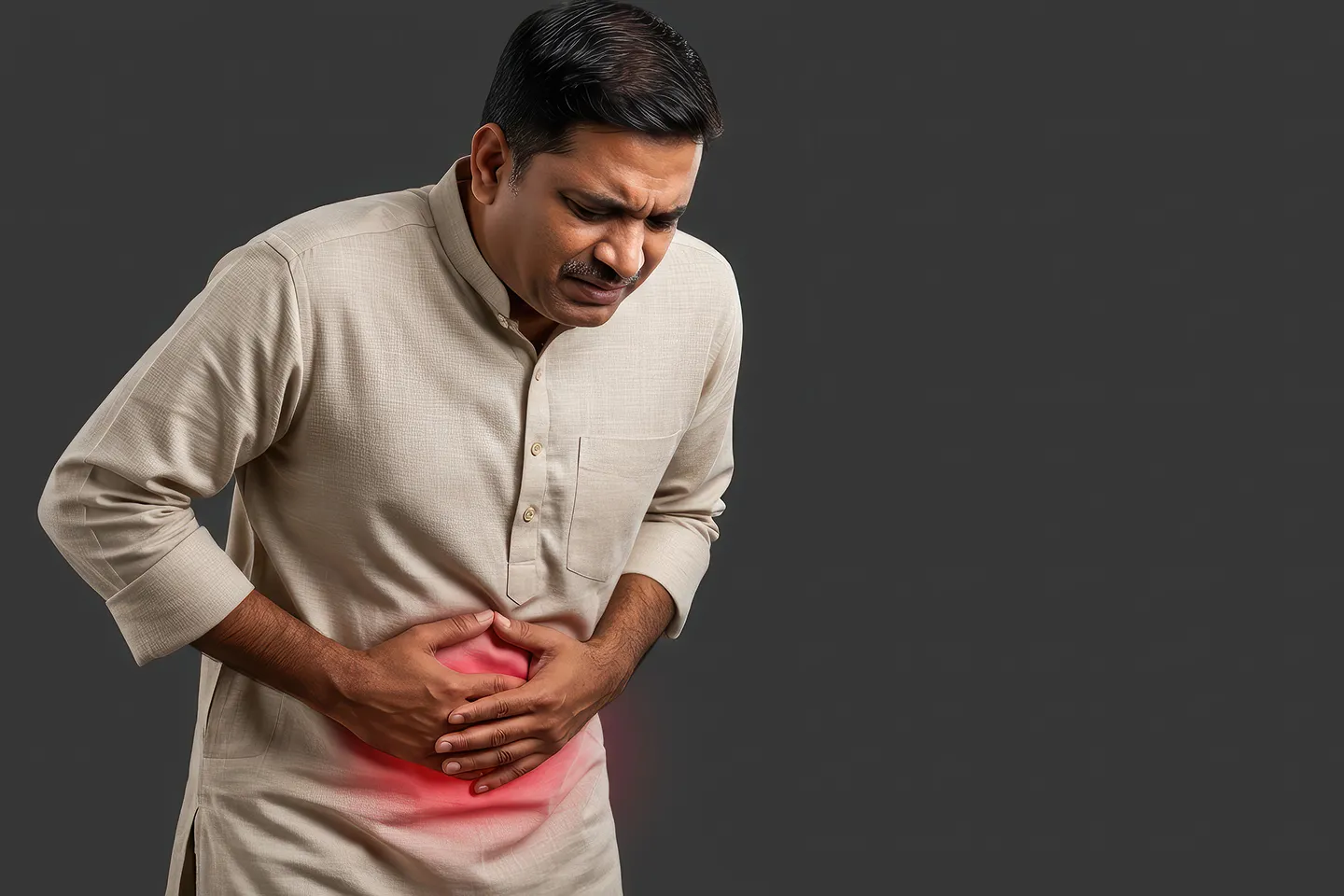
Irritable Bowel Syndrome (IBS) is a common digestive disorder that affects how the large intestine functions. It causes symptoms such as abdominal pain, bloating, gas, and changes in bowel habits like diarrhoea, constipation, or both. While IBS is not life-threatening, it can significantly impact daily life if not managed properly. The good news is that with the right approach, most people can control their symptoms and live comfortably.
Understanding Irritable Bowel Syndrome
What Is IBS?
IBS is a functional gastrointestinal disorder, which means there is no structural damage to the intestines, but the digestive system does not work as it should. The exact cause of IBS is not fully understood, but it is believed to result from a combination of factors, including abnormal muscle contractions in the intestines, gut-brain communication issues, food sensitivities, and stress.
Common Types of IBS
Doctors often classify IBS based on the predominant bowel pattern:
- IBS with constipation (IBS-C): Hard, difficult-to-pass stools.
- IBS with diarrhoea (IBS-D): Frequent loose or watery stools.
- Mixed IBS (IBS-M): Alternating between constipation and diarrhoea.
Understanding your IBS type helps in tailoring treatment and dietary adjustments.
Recognising Symptoms of IBS
The symptoms of IBS can vary in intensity from person to person. Common signs include:
- Cramping or pain in the lower abdomen
- Bloating and excess gas
- Mucus in the stool
- A feeling of incomplete bowel movement
- Sudden urge to use the toilet
Symptoms may worsen after meals and improve after passing stools. They often come and go in phases, triggered by food, stress, or hormonal changes.
What Causes IBS?
IBS does not have one single cause. Instead, it results from multiple factors working together:
Gut-Brain Interaction
The brain and digestive system communicate through the gut-brain axis. In IBS, this communication is disrupted, leading to heightened sensitivity in the intestines.
Intestinal Muscle Contractions
Strong or prolonged intestinal contractions can cause gas, bloating, and diarrhoea. On the other hand, weak contractions can slow food movement, leading to constipation.
Food Sensitivities
Certain foods, such as dairy, caffeine, spicy food, and fatty meals, can trigger IBS symptoms in some people.
Stress and Anxiety
Emotional stress can intensify IBS symptoms because of the strong link between mental health and gut function.
Hormonal Factors
Women are more likely to experience IBS, particularly during menstrual cycles, suggesting that hormones play a role.
Managing IBS Through Diet
Dietary management is one of the most effective ways to control IBS symptoms.
Follow a Balanced Eating Routine
Eating smaller, more frequent meals helps prevent overloading the digestive system. Avoid skipping meals and try to eat at the same times daily.
Identify and Avoid Trigger Foods
Common IBS trigger foods include:
- Spicy and greasy foods
- Processed snacks
- Dairy products (especially for those with lactose intolerance)
- Carbonated beverages
- Caffeine and alcohol
Keeping a food diary can help identify personal triggers.
Try a Low FODMAP Diet
FODMAPs are fermentable carbohydrates that can cause gas and bloating. A low-FODMAP diet eliminates high-FODMAP foods like onions, beans, apples, and wheat. Once symptoms improve, foods can be gradually reintroduced to identify which ones cause discomfort.
Stay Hydrated
Drink plenty of water, especially if you experience constipation. Limit fizzy drinks and caffeine, which can irritate the gut.
Include Fibre Mindfully
Fibre helps regulate bowel movements, but too much can worsen gas and bloating.
- For IBS-C: Add soluble fibre like oats, bananas, and psyllium husk.
- For IBS-D: Reduce insoluble fibre, like raw vegetables and bran.
Lifestyle Modifications for IBS Relief
Lifestyle changes can make a big difference in managing IBS symptoms.
Manage Stress
Stress is a major trigger for IBS flare-ups. Practising relaxation techniques such as yoga, meditation, deep breathing, or regular walks can help calm the mind and reduce symptoms.
Sleep Well
Poor sleep can aggravate digestive problems. Aim for 7–8 hours of quality sleep each night to support gut function.
Exercise Regularly
Physical activity improves digestion, reduces stress, and helps maintain regular bowel movements. Activities like brisk walking, swimming, or cycling for at least 30 minutes a day can be beneficial.
Medical Treatment Options for IBS
If lifestyle and dietary changes are not enough, medical treatment may be required.
Medications
Depending on the type and severity of IBS, your doctor may prescribe:
- Antispasmodics: To relieve abdominal pain and cramping.
- Laxatives: For constipation-predominant IBS.
- Anti-diarrhoeal medications: To manage frequent loose stools.
- Antidepressants or anti-anxiety medications: For patients with stress-related IBS.
Probiotics
Probiotics, the “good bacteria,” can help restore gut balance and reduce bloating and discomfort. Consult your doctor before choosing a probiotic supplement.
Psychological Support
Since stress plays a major role in IBS, therapies such as cognitive behavioural therapy (CBT) and gut-directed hypnotherapy can be useful in managing chronic cases.
When to See a Doctor
While IBS is often manageable with self-care, it’s important to consult a gastroenterologist or GI specialist if you notice:
- Unexplained weight loss
- Persistent or severe pain
- Blood in stools
- Vomiting or dehydration
- Symptoms that disturb your daily life
A doctor will help rule out other digestive conditions like inflammatory bowel disease (IBD) or celiac disease, which may have similar symptoms.
FAQs on Irritable Bowel Syndrome
1. Can IBS be cured completely?
There is no permanent cure for IBS, but symptoms can be effectively managed through diet, lifestyle, and medication.
2. Is IBS caused by eating the wrong foods?
Not entirely. Food can trigger symptoms, but IBS often results from a combination of gut sensitivity, stress, and other factors.
3. Can probiotics help with IBS?
Yes, probiotics may help balance gut bacteria and reduce bloating and irregular bowel movements in some patients.
4. Is IBS linked to anxiety or depression?
Yes, stress and anxiety can worsen IBS symptoms because of the gut-brain connection. Managing mental health is key to control.
5. Can children or teenagers have IBS?
Yes, IBS can affect any age group, though it’s more common in adults. A doctor should evaluate any persistent digestive symptoms.
Get Expert IBS Care with Dr. Subhraneelay Das
At Dr. Subhraneelay Das’s Clinic, we offer comprehensive evaluation and treatment for digestive disorders, including Irritable Bowel Syndrome. As an experienced GI Endoscopist and General & Laparoscopic Surgeon, Dr. Das focuses on accurate diagnosis, dietary guidance, and personalised treatment plans to help you regain comfort and confidence in your digestive health.
Book your consultation with Dr. Subhraneelay Das today and take the first step towards managing IBS effectively and living symptom-free.
Our Locations
Visit Us!
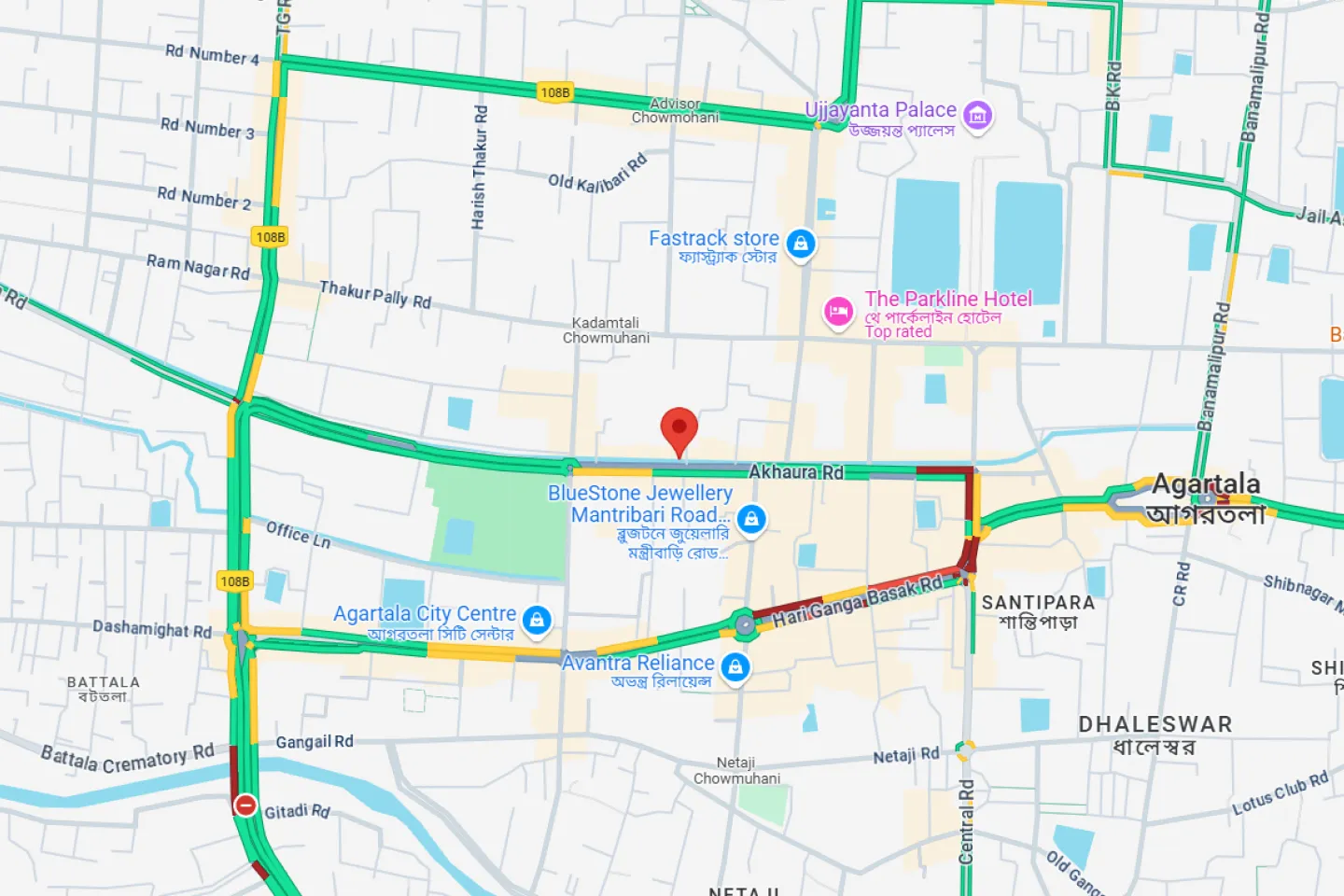
Address: Walk-In Care, Akhaura Road, Agartala, Tripura, 799001
Timing: Monday to Friday, 6:00 PM to 7:00 PM
Call Us: +91-6033519363
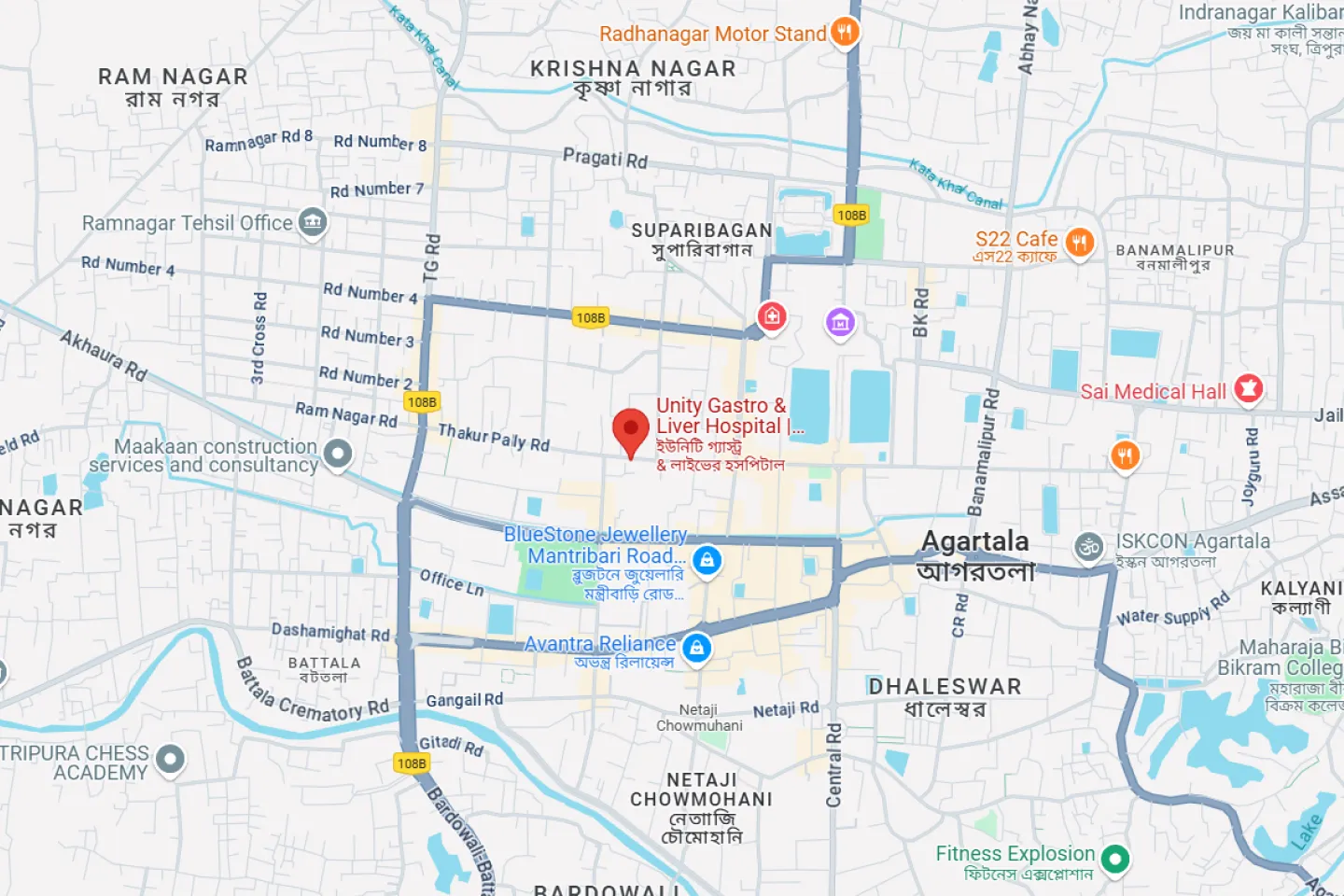
Address: Unity Gastro & Liver Hospital, Agartala, Tripura, 799001
Timing: Monday to Friday, 7:00 PM to 8:30 PM


